
What is Tephrochronology?
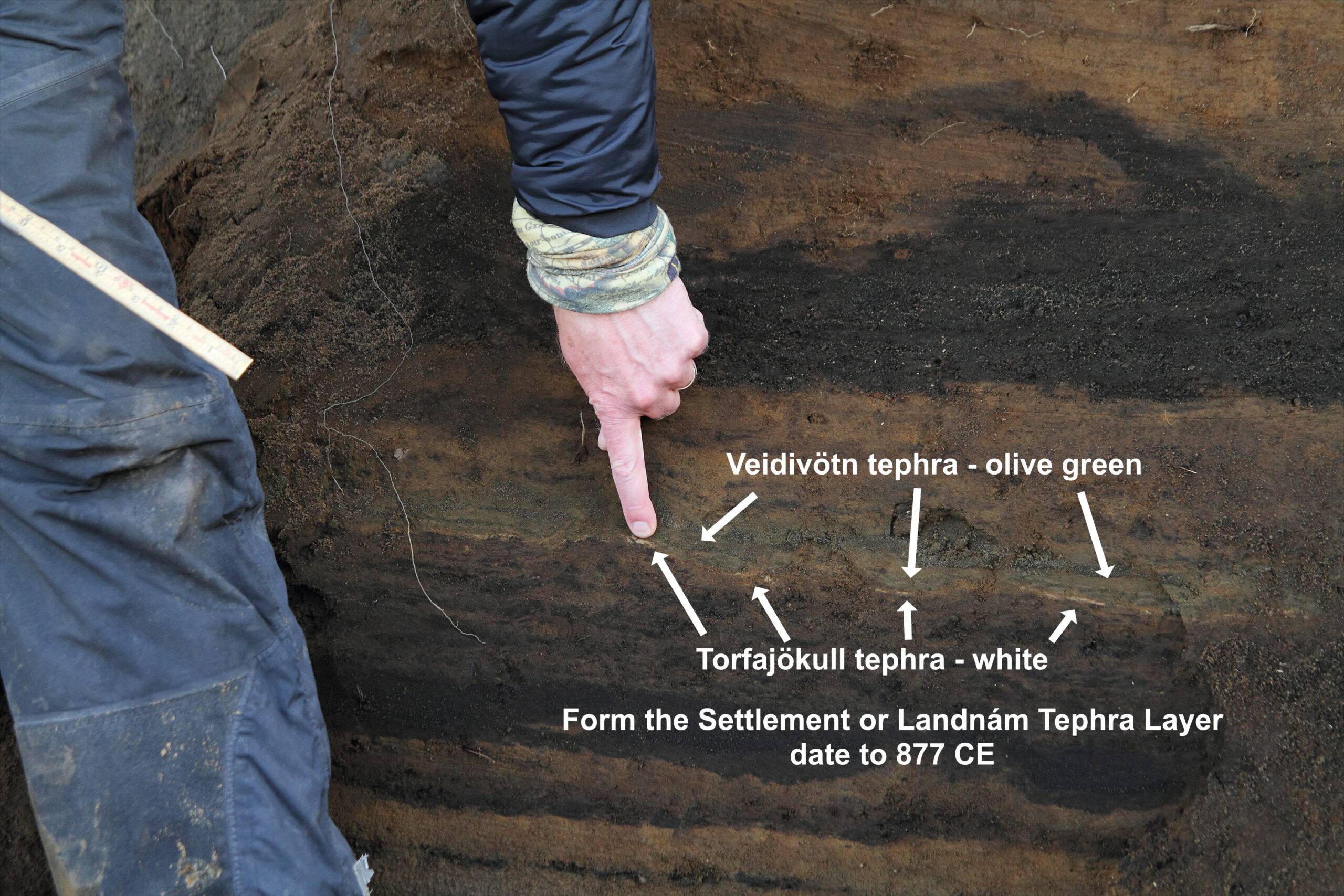
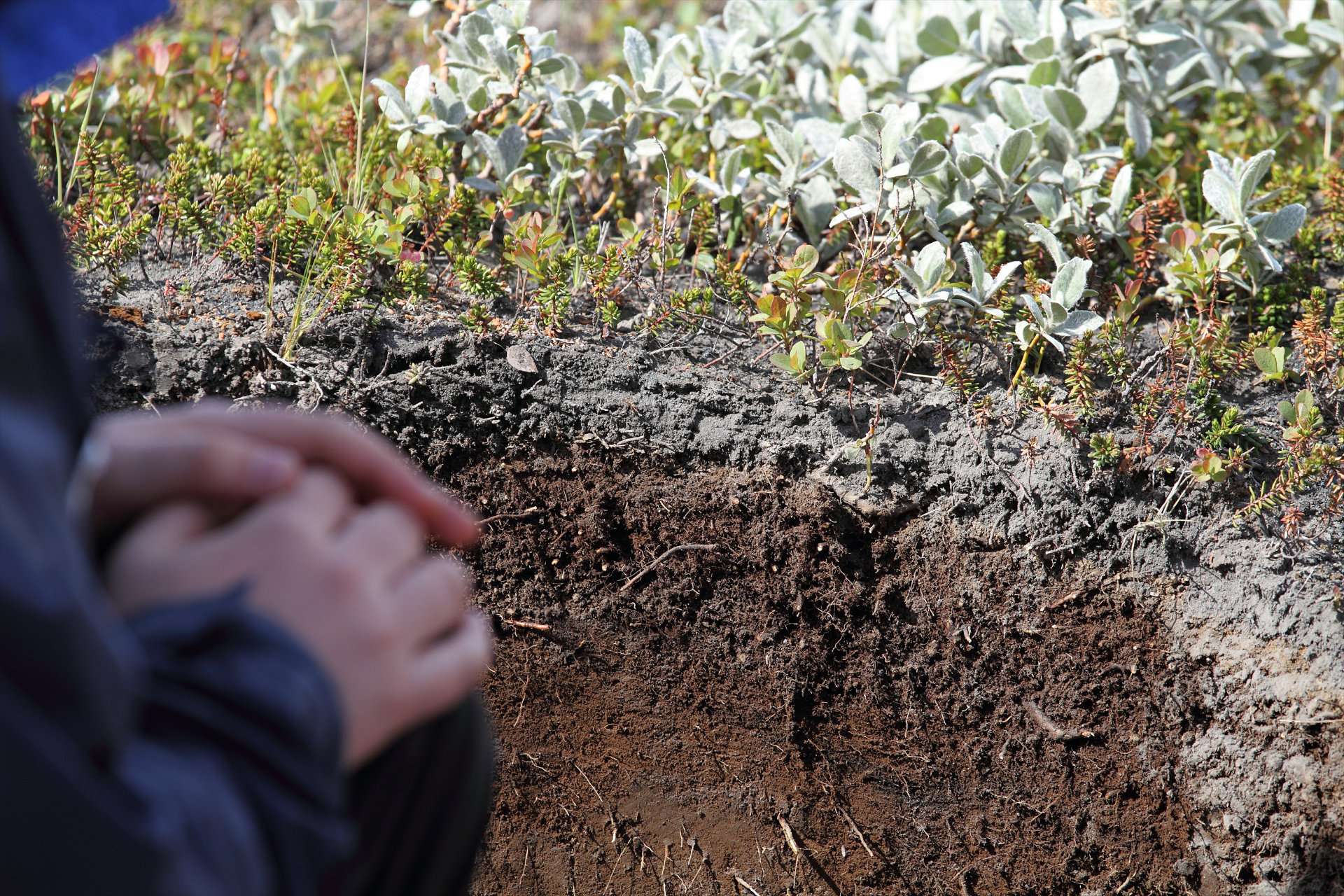
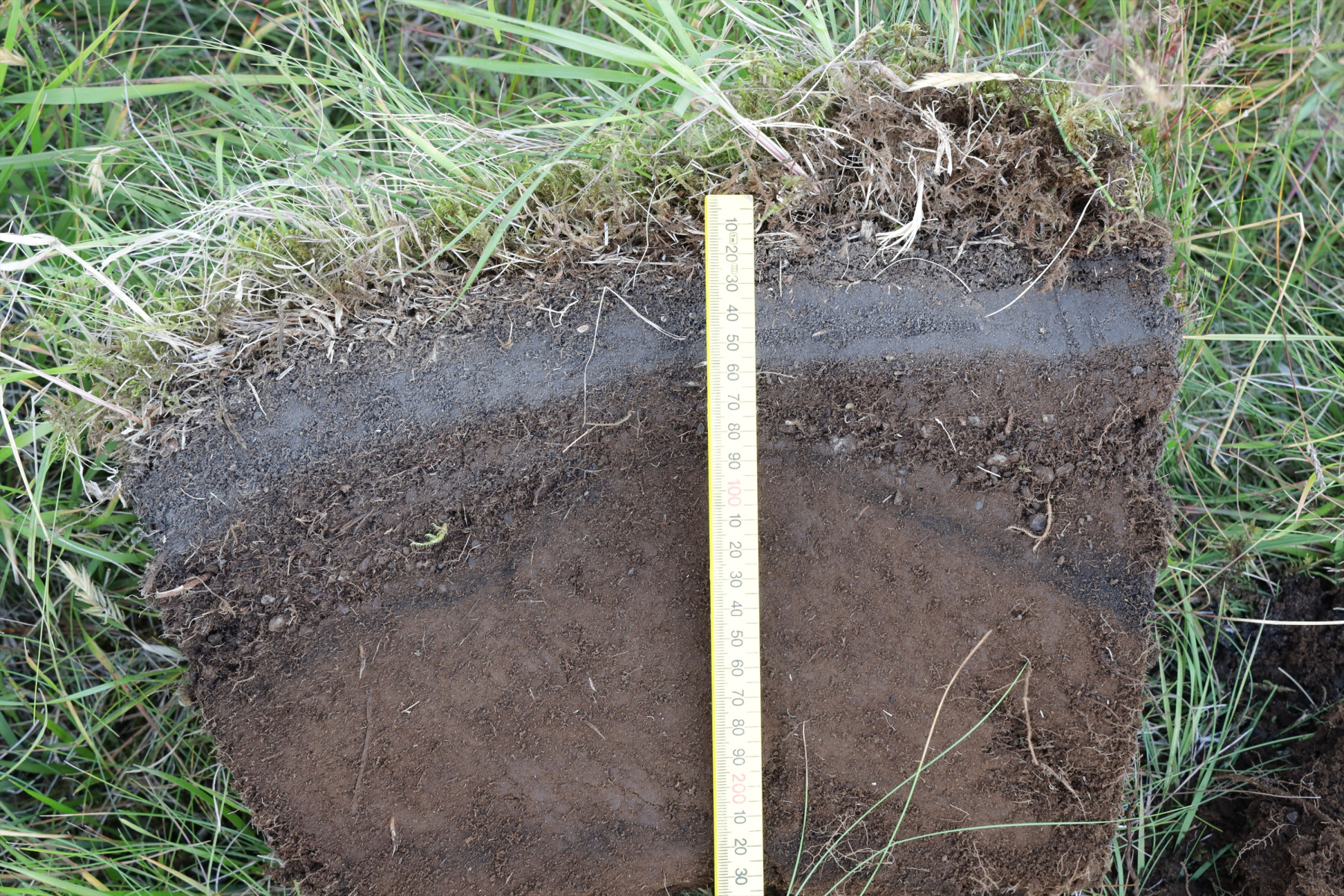
Tephra is a term used to describe all of the solid material produced from a volcano during an eruption (Thorarinsson, 1944). This ranges from large bombs to the finest ash. The fine fraction of this material can travel great differences. Tephra from the 1259 AD eruption of El Chichon, Mexico, for example, has been found in both the Greenland and Antarctic ice caps (Palais et al., 1992). Small tephra shards (2-3 µm) from the eruption of Pinatubo circled the globe several times after the 1991 eruption.
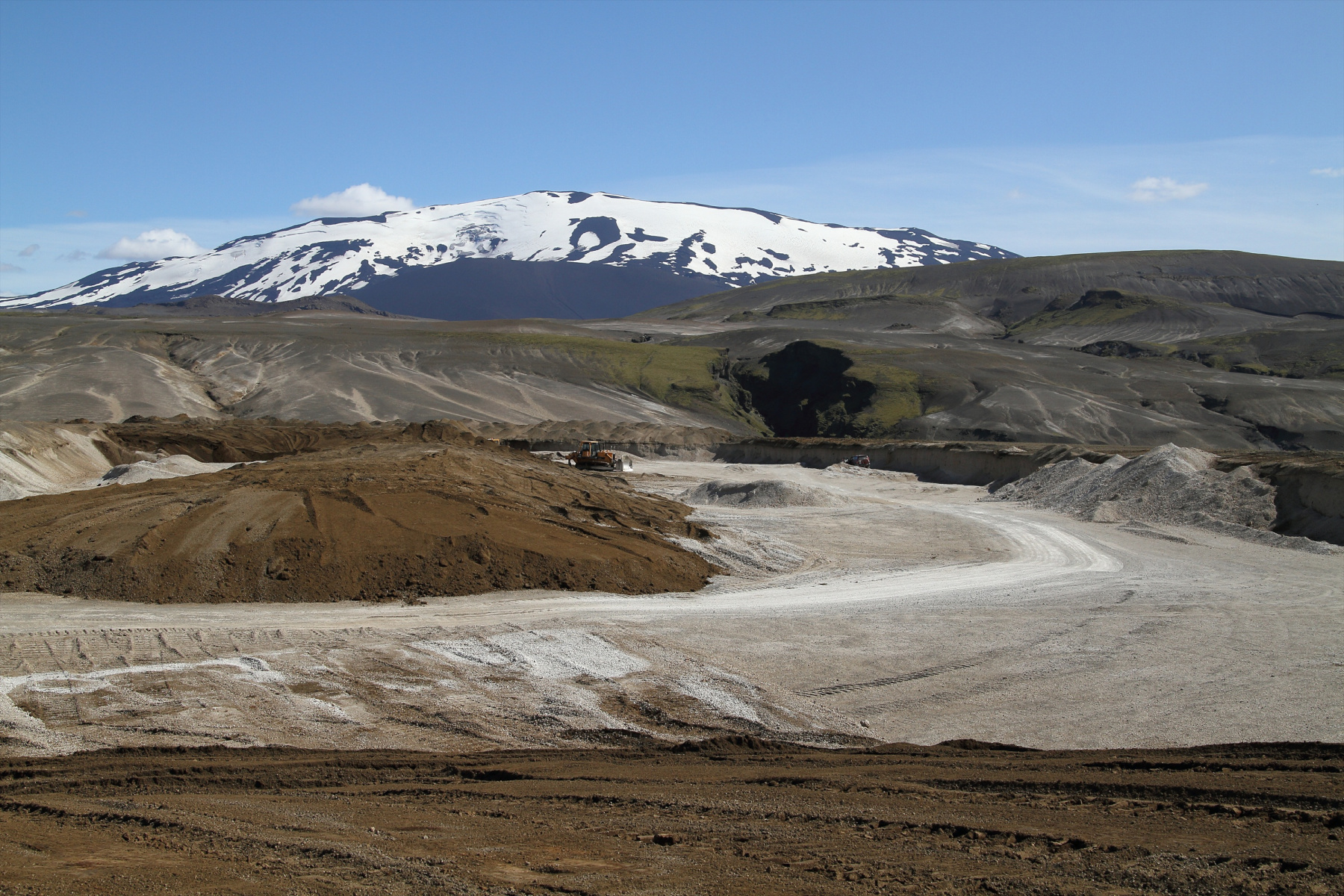
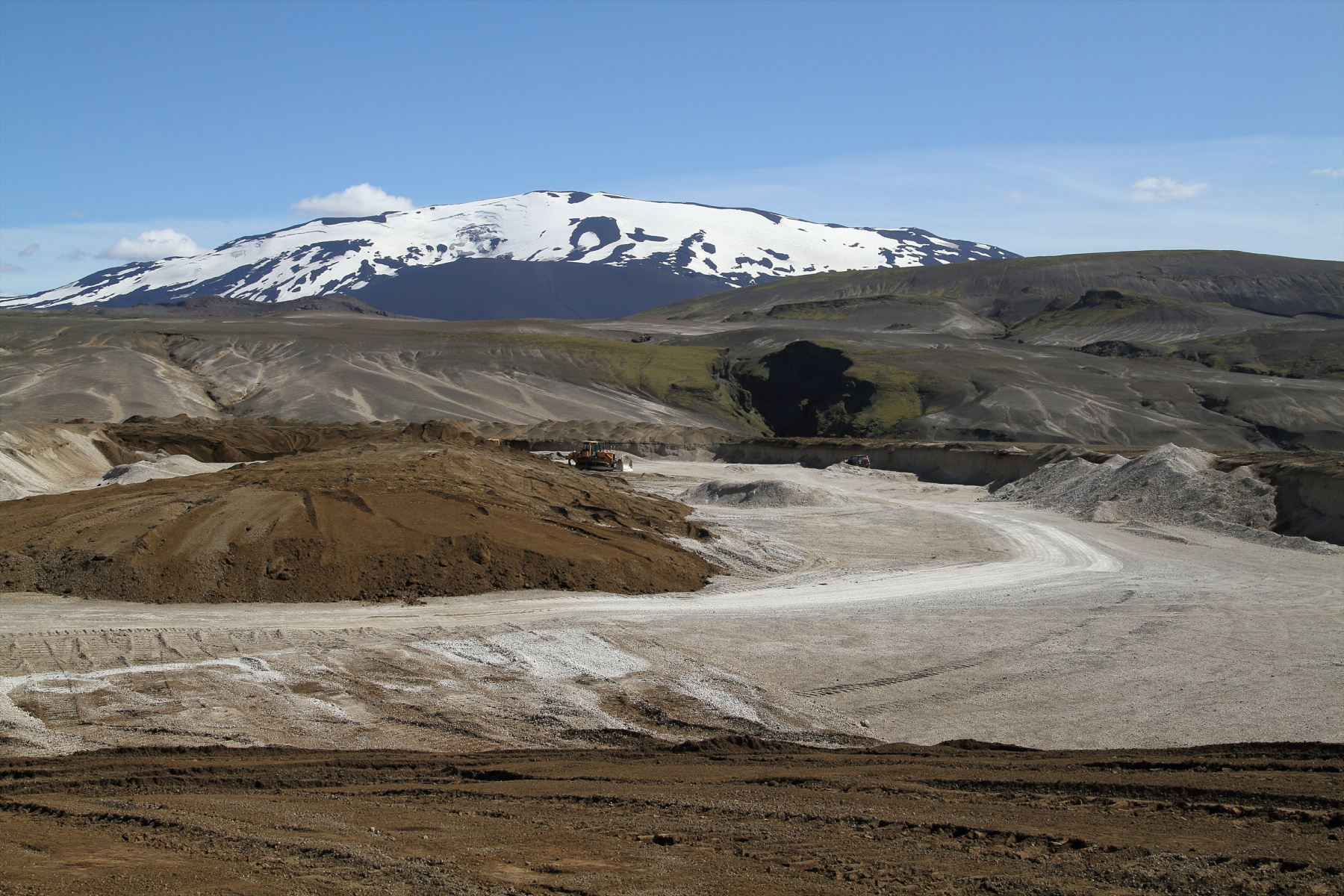
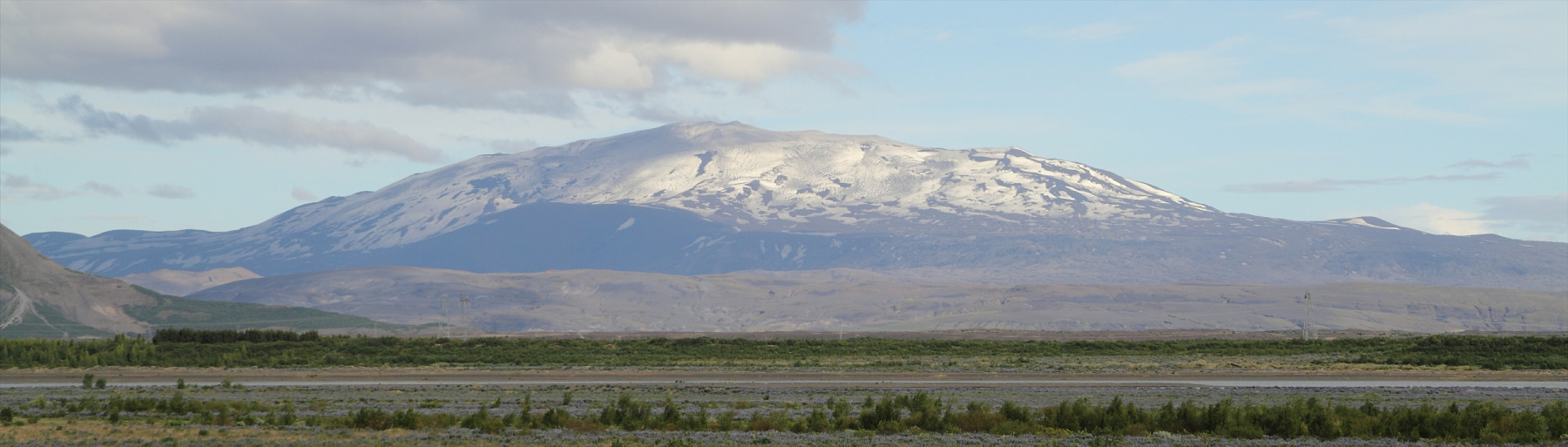
Photo: Hekla and pumice quarry
The interest in the study of tephra layers has proceeded on two fronts: firstly, there is interest of volcanic impact on climate and the environment and secondly, as a chronological tool (tephrochronology).
The interest in the study of tephra layers has proceeded on two fronts: firstly, there is interest of volcanic impact on climate and the environment and secondly, as a chronological tool (tephrochronology).
Climatological and palaeoenvironmental research has involved studies on the possible major impact of volcanic eruptions on climate, from the possible intensification of ice ages (Ramaswamy, 1992) to localised or short-term climatic change (Baillie and Munro, 1988). The large 1991 eruption of Pinatubo, for example, produced a large eruption column that produced sulphuric acid aerosols in the stratosphere that reflected incoming sunlight and had a noticeable effect on the Earth’s climate (Koyaguchi and Tokuno, 1993).

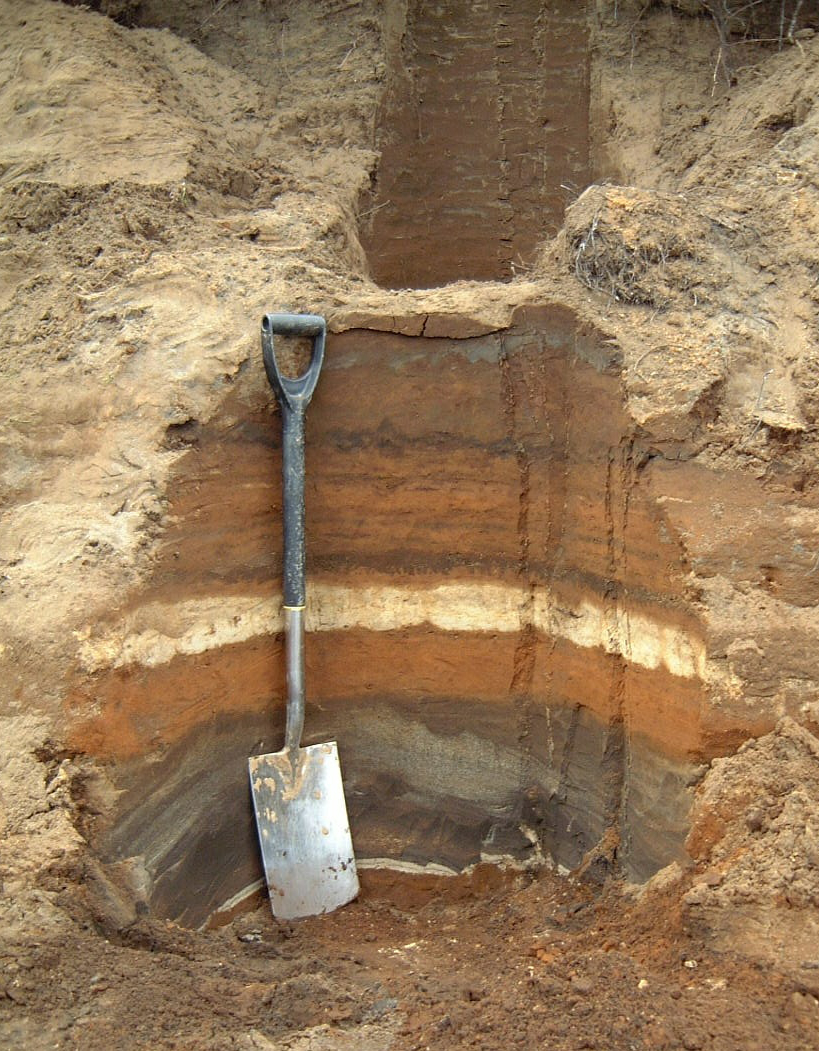
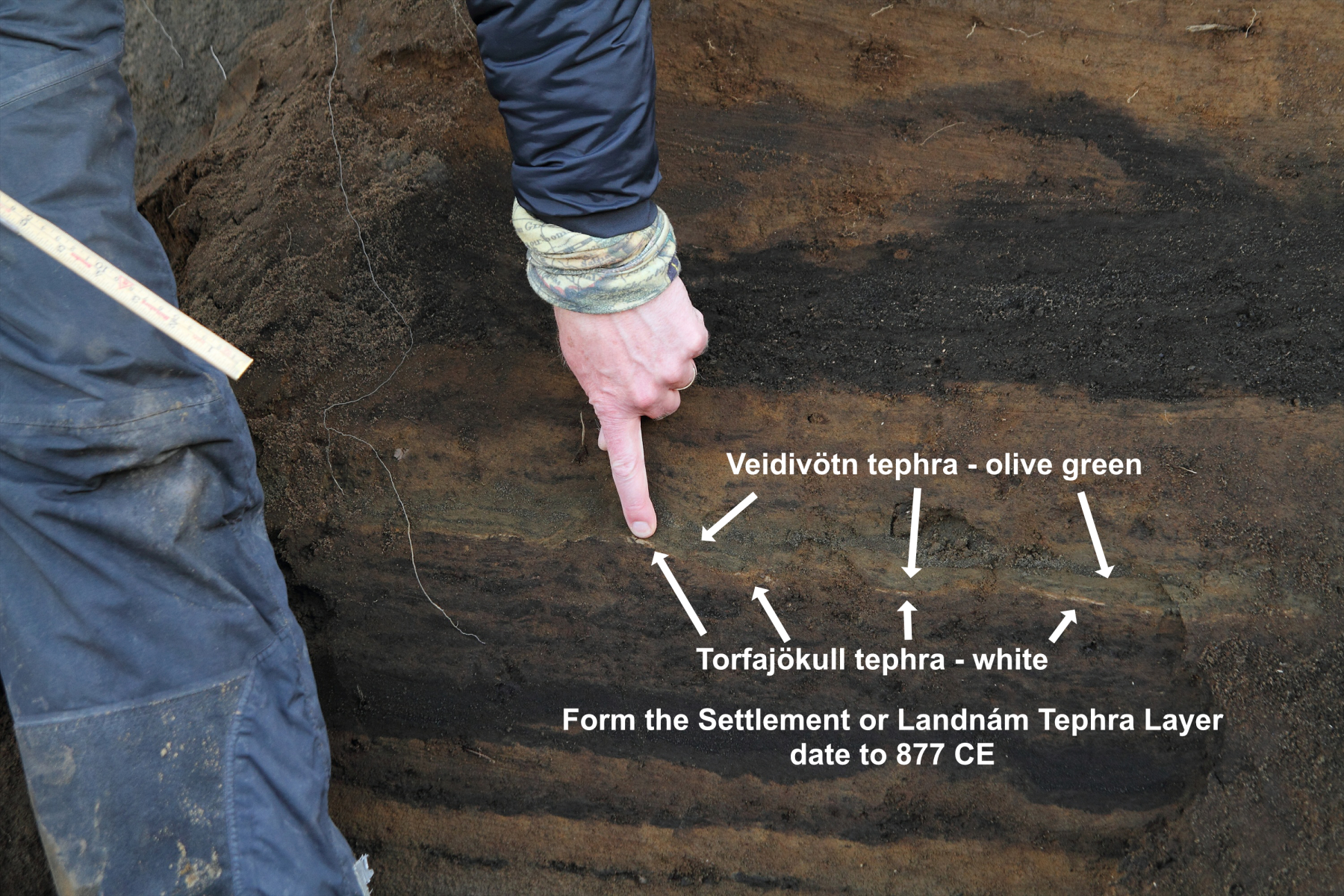
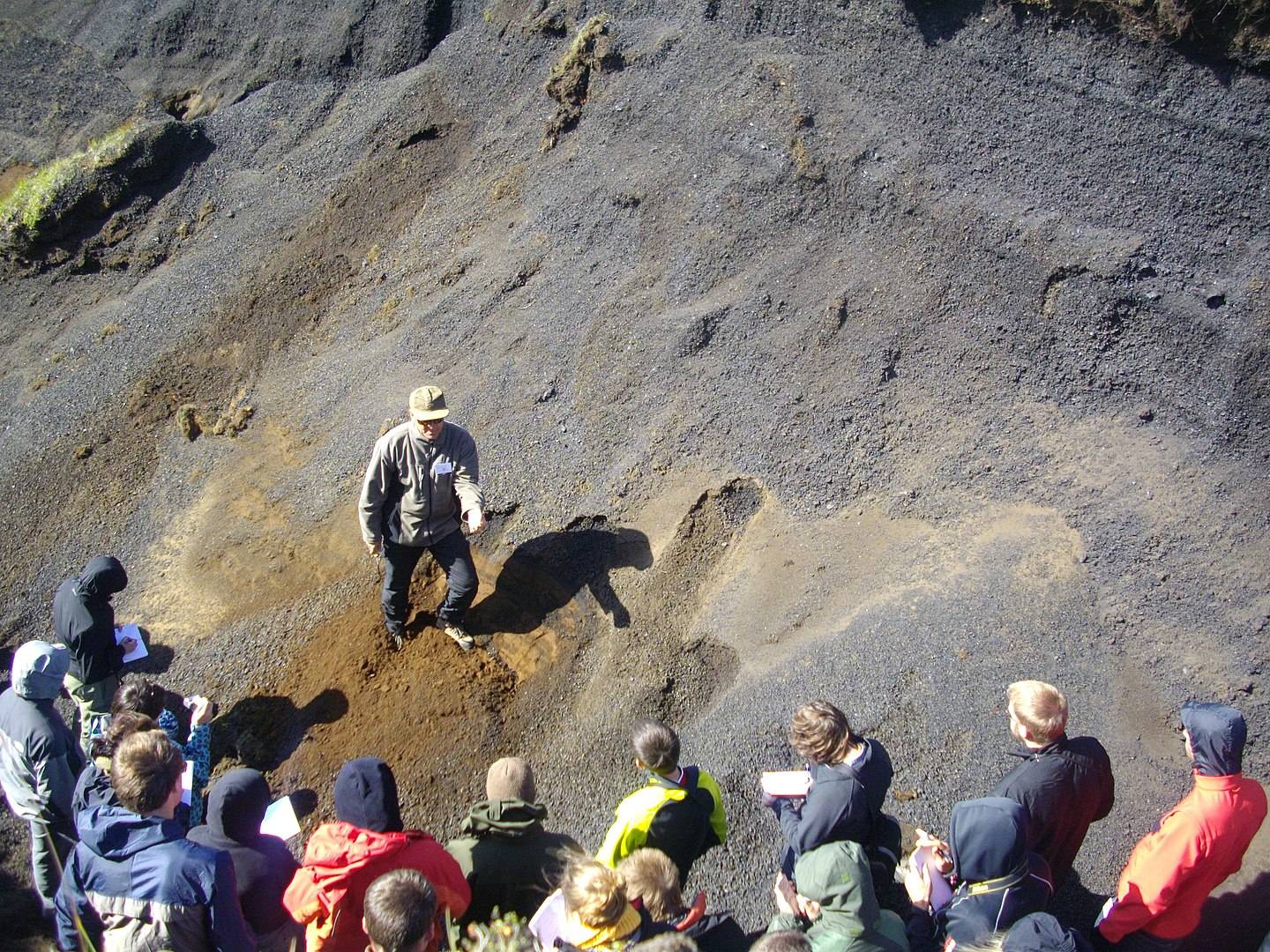
Photo: Tephra layers with dates (Langanes)
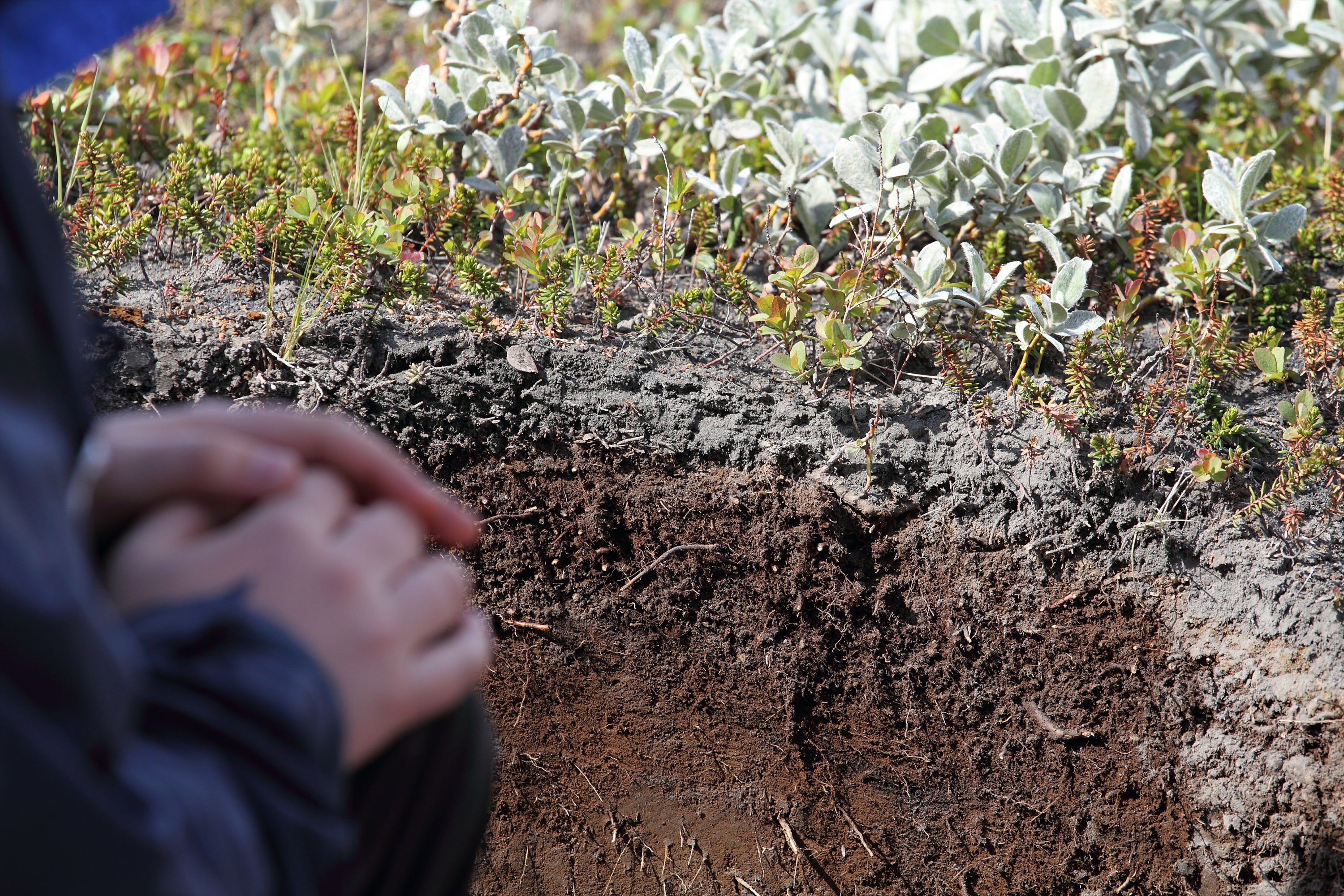
Tephrochronology is the use of tephra layers as chronological tools and was originally developed in Iceland (Thorainsson, 1944) and has since been applied to other volcanically active areas such as Alaska, New Zealand and the Americas and other areas where tephra fallout from distant eruptions can be found such as much of Europe, the oceans and ice sheets.
This technique allows isochronous marker horizons, formed by tephra layers, to be mapped across inter-continental scale distances. These can form a dating framework against which other dating techniques can be checked and validated. In Iceland, ice-core or historically dated tephra layers are used for dating archaeology and environmental change and linking the two. This allows correlations between archaeological sites and the environment to be made a fine and precise temporal resolutions.

Photo: Eyjafjallajökull, Iceland
The eruptions of Eyjafjallajökull (2010) and Grímsvötn (2011) reminded the world that even relatively modest eruptions can have a major impact on modern societies at some distance from the volcano.
These eruptions have led to a much better understanding of the mechanisms by which tephra is transported through the atmosphere and what controls its deposition in distal locals. The work of Davies et al (2010), Stevenson et al. (2012, 2013), Swindles (2010) and Tesche et al. (2012) are well worth reading.
As well as providing important information about volcanic histories, tephrochronology can also provide invaluable data on environmental change. This can range from establishing rates of Icelandic soil erosion (e.g. Dugmore et al., 2009), the impact of the arrival of plague on farming and society in Iceland (Streeter et al., 2012) and using incomplete or non-perfect tephra sequences to inform us geomorphological processes (Dugmore and Newton, 2012; Dugmore et al., 2020; Thompson et al., 2022).
Latest Posts
(Hover to pause scrolling)
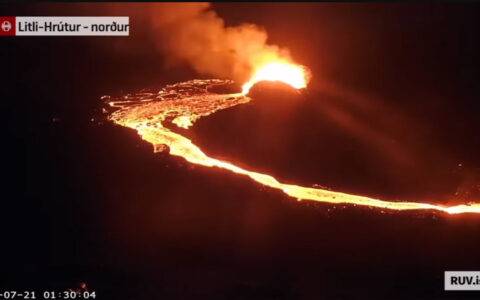
NABO Gallery: Tephrochronology


Tephrochronology: Videos

Video: Volcanic eruptions in Iceland lead scientists to startling discoveries | 60 Minutes
Reading Time: < 1 minuteVolcanic eruptions in Iceland lead scientists to startling discoveries | 60 Minutes Video credit: Volcanic eruptions in Iceland lead scientists to startling discoveries from 60 Minutes, via YouTube Bill Whitaker was there as lava flowed from a volcano in Iceland in 2021, covering the landscape… Read More »Video: Volcanic eruptions in Iceland lead scientists to startling discoveries | 60 Minutes
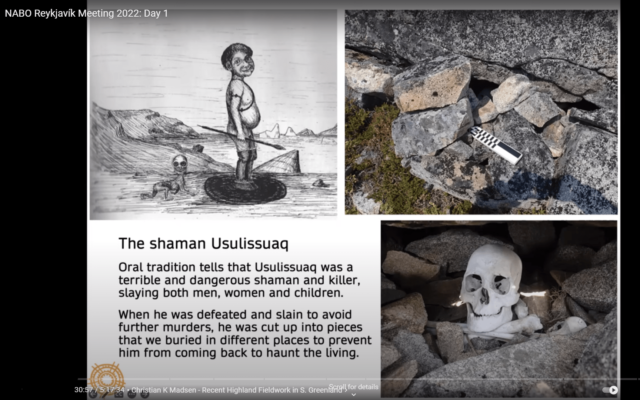
Video: NABO Reykjavík Meeting 2022: Day 1
Reading Time: 2 minutesThanks to an initiative by Orri Vésteinsson and the University of Iceland, we held a very successful three-day collaborative NABO meeting Sept. 28th, 29th, and 30th 2022 in Reykjavik Iceland. This is a video of presentations from the first day and the individual talks can… Read More »Video: NABO Reykjavík Meeting 2022: Day 1

Browse the NABO website:
Resource Links for NABO Research Topics:


Video: Spectacular drone footage of long dormant Iceland volcano erupting | ITV News

When clicked, this video loads from YouTube. See Google's privacy policy for details.
